


ENSURING MEASUREMENT TRACEABILITY
Reference grain samples constitute a fundamental component of the measurement traceability assurance system, serving as a tool for transferring the unit of measurement to subsequent levels—from the primary standard to the secondary standard, and so on.
Control samples of grain (oilcake, meal) play a crucial role in guaranteeing metrological traceability, reliability, and comparability of analysis results—providing an accessible and highly efficient solution that helps avoid time-consuming and costly laboratory tests.
The main areas of application for reference materials include:
-
monitoring the precision of measurement results;
-
calibration, verification, and adjustment of measuring instruments (infrared grain analyzers, moisture meters);
-
verifying metrological characteristics during testing (including type approval procedures);
-
validating measurement methods;
-
proficiency testing of laboratories.
It is extremely difficult to overstate the importance of applying reference materials to establish the metrological traceability of measurement results for grain quality parameters (including protein, fat, moisture, gluten, falling number, and hectoliter weight), as well as to guarantee the comparability of results across individual laboratories.
The appropriate selection of control samples is the absolute foundation and guarantee for an impartial assessment of the reliability of the obtained data.
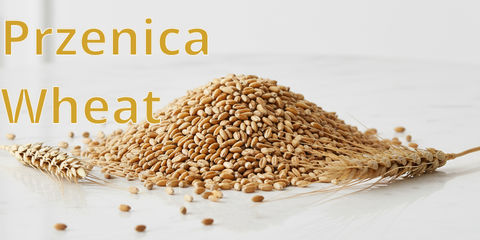
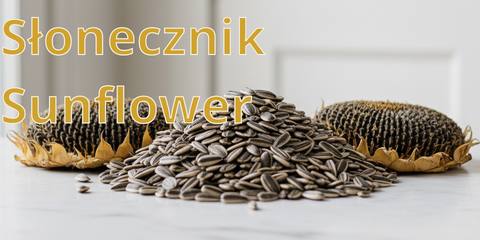
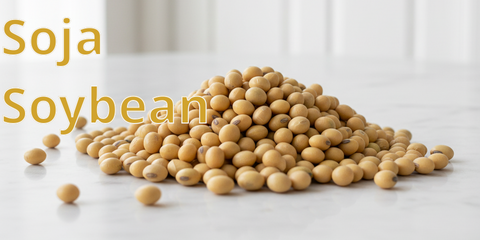
An error made at the stage of selecting reference materials for grain, seeds (wheat, sunflower, barley, soy, rapeseed), oilcake, and meal will result in adverse economic consequences (in a situation where a laboratory instrument—such as a rapid grain analyzer—is calibrated incorrectly), because a discrepancy of just 1% in a huge batch of goods will generate severe financial losses.
Each reference (control) material for grain, oilcake, and meal is accompanied by a specification (passport) containing all the data necessary for its flawless use and storage.